

5 Essential Things New Parents Wish They Prepared Before Baby Arrived

A baby changes the shape of daily life faster than most people expect. The tiny clothes and nursery setup matter, but many parents later say they wish they had prepared for the quieter things too, like sleep shifts, emotional ups and downs, and who to call when everything feels like too much.
The good news is that preparation does not need to be perfect. A few thoughtful plans can make the first weeks feel more supported, calmer, and less confusing.
1. A practical home setup that works at 3 a.m.
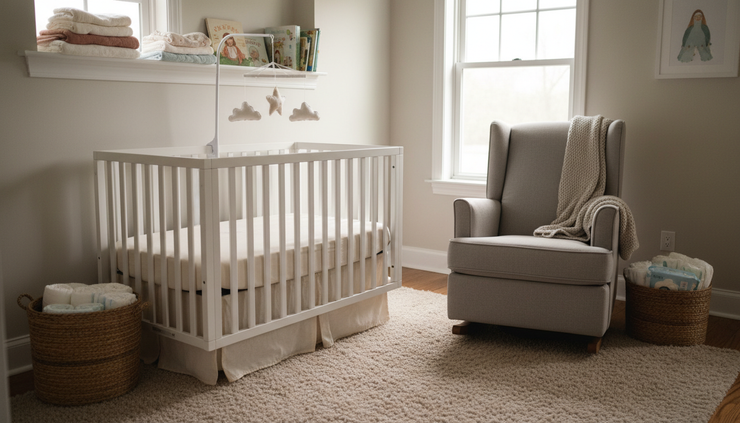
Many new parents prepare the nursery beautifully, then realize the baby spends much of the early time wherever the adults are resting, eating, or trying to sleep. A practical setup matters more than a perfect one.
Think in stations. A small diaper caddy in the bedroom, living room, or wherever care happens most often can save many tired trips across the house.
Helpful basics include:
Diapers and wipes within reach
Burp cloths in more than one room
A safe sleep space that follows current guidance
Extra sheets and pajamas
Water bottles and snacks for the adults
A simple nightlight for late-night care
The goal is less searching, less bending, and fewer decisions when everyone is tired.
It also helps to test the setup before the baby arrives. Walk through a pretend nighttime feed or diaper change. If something feels awkward now, it will feel harder later.
2. A realistic plan for food, chores, and daily tasks
The first weeks often blur together. Feeding, changing, soothing, and resting can take up most of the day. Many parents wish they had planned less around productivity and more around basic survival.
Stocking the freezer with easy meals can help, but food prep does not have to mean cooking for a month. It can be as simple as buying pasta, soup, frozen vegetables, oatmeal, sandwich supplies, and one-handed snacks.
Chores also need a plan. Decide which tasks truly matter and which can wait.
A simple priority list might look like this:
Do soon | Can wait |
Wash baby bottles or pump parts | Organize closets |
Take out trash | Fold every item of laundry |
Rest when possible | Deep clean the house |
Eat regular meals | Answer every message right away |
For time management, plan in small blocks. Ten minutes can be enough to start laundry, shower, prep a snack, or reset the changing area. Newborn life rarely follows a neat schedule, so flexible routines usually work better than strict ones.

3. Emotional readiness for a major life shift
New babies bring joy, but they also bring change. Parents may feel love, worry, frustration, awe, boredom, guilt, and exhaustion in the same afternoon. That does not mean anyone is doing it wrong.
Emotional readiness starts with honest expectations. Sleep will likely be broken. Feeding may take practice. Recovery can feel slow. Relationships may feel strained when both people are tired.
Before the baby arrives, talk through questions like:
How will we handle nights when both of us are exhausted?
What helps each of us calm down when stressed?
Who can we call if we need reassurance?
What signs mean one of us needs a real break?
How will we protect small moments of connection?
It is also wise to learn the difference between common adjustment stress and signs that extra support may be needed. If sadness, anxiety, anger, or hopelessness feels intense or persistent, reaching out to a health care provider is a strong and caring step.
Preparation here means making space for real feelings. A nurturing environment is not one where everyone is calm all the time. It is one where people feel safe asking for help.
4. A support system before help is needed
Many parents say they did not know how much support they would need until they were already overwhelmed. Building that support before birth can make it easier to accept help later.
Support can come from many places:
Family members
Friends
Neighbors
Parent groups
Faith communities
Lactation consultants
Doulas
Pediatrician offices
Mental health professionals
Be specific when asking for help. “Can you bring dinner on Tuesday?” is easier to answer than “Can you help sometime?” People often want to support new parents but do not know what would actually be useful.
Create a short list of helpers before the baby arrives. Include names, phone numbers, and what each person can realistically offer. One person may be great for errands. Another may be a calm listener. Someone else may be willing to hold the baby while a parent showers.
If nearby help is limited, look into local classes, virtual support groups, or postpartum services. Support does not have to be perfect to be valuable.

5. A peaceful environment for rest and bonding
A nurturing home does not need expensive gear. Babies need safe care, warm connection, and adults who have some room to breathe.
Start by reducing friction. Place common items where they are easy to reach. Keep lighting soft at night. Lower the volume on unnecessary noise. Set boundaries around visitors if too many people in the house feels draining.
Parents often feel pressure to entertain guests, keep a spotless home, or respond to every text. It is okay to protect the early days. A simple message can help:
“We are settling in and resting. We will reach out when we are ready for visitors.”
A peaceful environment also includes small comforts for the adults. A favorite blanket, a full water bottle, a phone charger near the feeding spot, or a playlist for quiet mornings can make long days feel more manageable.
This is one of the most overlooked parts of 5 essential things new parents wish they prepared before baby arrived. The home is not just for the baby. It is also where parents recover, learn, and grow into a new rhythm.
FAQ
What should new parents prepare first?
Start with safe sleep, feeding supplies, diapers, basic clothing, and a plan for meals and rest. After that, focus on support systems and emotional preparation.
How can parents manage time with a newborn?
Use small blocks of time and lower the bar. Choose two or three must-do tasks each day, then let the rest wait when needed.
When should new parents ask for help?
Ask before things feel unmanageable. Help with food, chores, errands, or emotional support can prevent stress from building.
How many visitors should come after the baby arrives?
There is no perfect number. Choose what feels restful, safe, and manageable. Short visits with helpful people are often better than long visits that add pressure.

A gentle takeaway for the first weeks
No one can prepare for every part of new parenthood. Babies have their own rhythms, and every family has different needs. Still, preparing the basics, naming emotional needs, and building support can make the transition feel less lonely.
Before the baby arrives, take a few quiet minutes to ask: What would make daily life easier? Who can we call? What kind of home environment helps us feel calm?
If you have already been through the newborn stage, your experience can help someone else. Share the advice you wish you had heard, especially the small practical tips that made the biggest difference.


